Best Tennis Balls
7 video lessons
Match the ball to your court, then pick the brand that feels right.
Quick answer & tips ▾Hide ▴
Start with the court. Extra-duty felt lasts longer on hard courts, while regular-duty balls stay lighter on clay and indoor courts. Popular all-round choices include the Wilson US Open, Penn Tour, Dunlop ATP and Babolat Gold, and most players notice the difference in feel more than in bounce.
For practice and ball machines, pressureless balls last for months and save money, though they feel heavier. Pressurized balls lose pace within a few sessions once the can is opened, so open a fresh can for matches. Juniors and beginners should use red, orange or green low-compression balls.
Key tips
- Extra duty for hard courts, regular duty for clay and indoor.
- Open a fresh can for matches; pressurized balls go flat fast.
- Use pressureless balls for practice baskets and ball machines.
- Kids and new players learn faster with low-compression balls.
FAQ
- What is the difference between extra duty and regular duty tennis balls?
- Extra-duty balls have thicker felt that lasts longer on abrasive hard courts. Regular-duty felt is thinner and picks up less clay, so it suits clay and indoor courts.
- Are expensive tennis balls worth it?
- For matches, a good premium ball feels more consistent and lasts a little longer. For casual hitting, a mid-priced can is usually fine.
- What tennis balls do the pros use?
- Each tournament picks its ball, so pros switch between brands such as Wilson, Dunlop, Head and Penn through the season.

THE BEST TENNIS BALLS
Tennis Spin

Every Tennis Ball Ranked Worst to Best
Scott Plays Tennis 🎾

What tennis balls you should use and why (The Best Tennis Balls)
Tennisnerd

We tested ALL the tennis balls! (almost)
Tennisnerd
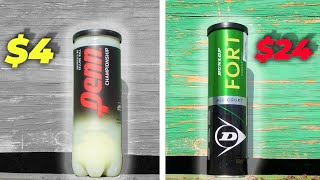
Cheapest vs Most Expensive Tennis Balls
Winners Only Tennis
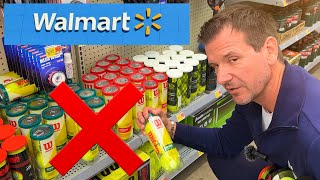
Tennis Balls You Should NOT Buy From Walmart (and what to get instead)
Intuitive Tennis

What tennis pros look at when they pick a ball
Vox
Related questions


Coming soon
Get your game reviewed by a pro
Send a clip, get a personal breakdown from a coach.
Notify me